
Do you find yourself reaching for snacks after dinner, even when you're not sure you're actually hungry?
Maybe you're craving something sweet while watching TV, heading into the kitchen once the house finally gets quiet, or looking for something crunchy after a long day. If this sounds familiar, you're definitely not alone!
This is one of those real-life struggles I talk about with my nutrition clients, and I think it's worth discussing more. Evening snacking isn't always about willpower or a lack of self-control.
Sometimes you're physically hungry, sometimes you're stressed or tired, and sometimes snacking has simply become part of your daily routine.
The good news? You don't have to give up your favorite snacks or follow a bunch of food rules to make changes. Let's look at what's behind nighttime snacking and a few simple ways to feel better about your eating habits.
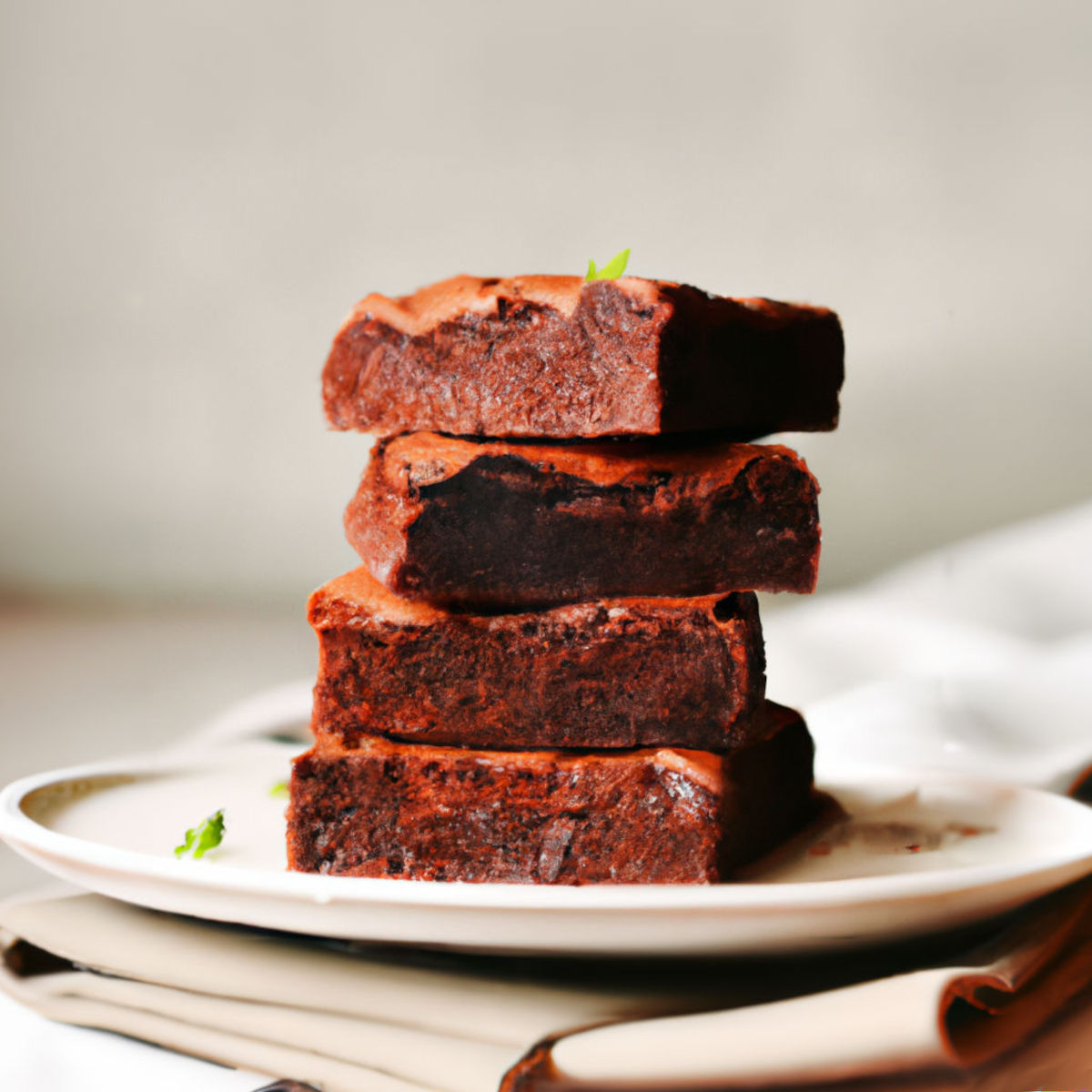
Why Do I Want to Snack at Night?
If you've ever wondered, "Why am I always hungry at night?" there are several possible explanations. Understanding what's driving your evening cravings is a helpful first step toward figuring out what your body needs.
1. You're Not Eating Enough During the Day
One of the first things I look at with clients who struggle with nighttime snacking is what they're eating throughout the day.
Are you skipping breakfast? Eating a small lunch? Going long stretches without food? Trying to eat as little as possible because you're working toward a weight-loss goal?
When you don't eat enough during the day, it's completely understandable that you might feel extra hungry in the evening.
Your body needs energy, and trying to ignore hunger all day can make it harder to feel satisfied at night.
Instead of focusing on eating less during the day, try building more satisfying meals.
I like to focus on including:
- Protein: Eggs, chicken, Greek yogurt, fish, beans, or tofu.
- Fiber-rich carbohydrates: Oats, whole grains, beans, fruit, and potatoes.
- Colorful produce: Vegetables and fruits that provide fiber, vitamins, and minerals.
- Healthy fats: Avocado, nuts, seeds, and olive oil.
You don't need to make every meal perfect. Start by making sure you're eating consistently and getting a combination of nutrients that helps you feel satisfied.
And remember, if you're genuinely hungry after dinner, it's okay to eat a snack. You don't have to ignore your hunger just because you've already eaten your evening meal.
2. You're Eating Because You're Stressed or Tired
Let's be honest. By the end of the day, many of us are ready for a break.
You've worked, taken care of family responsibilities, answered messages, made dinner, and handled everything else that comes with a busy day. Finally, you sit down, and a snack sounds pretty good.
Food can be comforting, enjoyable, and part of how we unwind. There's nothing wrong with that.
But if food is the only thing you turn to when you're stressed, overwhelmed, or exhausted, it may help to find a few additional ways to take care of yourself.
The next time you find yourself reaching for a snack, take a moment to check in.
Ask yourself:
- Am I physically hungry?
- Am I feeling stressed or overwhelmed?
- Am I tired and looking for a little comfort?
- Do I want this food because I enjoy it?
You don't have to answer these questions perfectly, and you don't need to talk yourself out of eating.
Maybe you need a snack. Maybe you need a break, a little quiet, or time to relax without feeling like you're responsible for everyone else.
Try taking a short walk, listening to music, reading a book, or enjoying a few quiet minutes before bed.
And if you still want that chocolate or bowl of popcorn afterward, enjoy it! The goal isn't to eliminate emotional eating completely. It's to understand your patterns and give yourself more options.
3. Evening Snacking Has Become a Habit
Sometimes nighttime snacking isn't about hunger or stress. It's simply part of your routine.
Maybe you always grab something sweet after dinner. Maybe you associate watching television with eating chips or popcorn. Or perhaps you head into the kitchen as soon as the kids are in bed.
Over time, your brain can begin to connect certain activities with eating, and you may find yourself reaching for food without really thinking about it.
If this sounds familiar, try noticing the pattern without judging yourself.
Do you actually want a snack? Are you enjoying it? Or are you eating automatically because that's what you usually do?
If you enjoy an evening snack, there's nothing wrong with keeping that part of your routine.
You might try putting your snack in a bowl or on a plate, sitting down, and enjoying it instead of eating straight from the package while distracted.
If you realize you'd rather do something else, experiment with a different evening activity.
The goal is to make a conscious choice rather than feeling like snacking is something you can't control.
How to Stop Mindless Snacking at Night Without Giving Up Your Favorite Foods
If evening snacking is something you'd like to work on, here are three simple places to start.
Eat Consistently Throughout the Day
Don't skip meals or drastically cut back on food in an effort to save calories for later.
Instead, aim for regular, satisfying meals and snacks that provide the energy and nutrients your body needs.
If you tend to get really hungry in the evening, look at your breakfast, lunch, afternoon snack, and dinner before assuming you need to stop eating at night.
Sometimes, making your daytime meals more satisfying can make a noticeable difference.
Stop Making Certain Foods Off-Limits
Have you ever told yourself you can't eat chocolate, chips, ice cream, or cookies because you're trying to eat healthier?
Sometimes, the more we tell ourselves we can't have something, the more we think about it.
When you allow yourself to enjoy the foods you love without guilt, you may find that they become less of a big deal.
This doesn't mean you have to eat every food whenever you see it. It means you can make room for enjoyable foods without feeling like you've ruined your progress.
Healthy eating isn't about avoiding every food that doesn't fit into a perfect nutrition plan. It's about the overall habits you build over time.
Pay Attention to What You Need
Instead of automatically asking yourself how to stop nighttime snacking, try asking, "What do I need right now?"
Maybe you're hungry and need a snack. Maybe you're exhausted and need to go to bed earlier. Maybe you've had a stressful day and need time to unwind.
Sometimes, the answer will be food. Other times, something else may help.
There's no need to judge yourself for any of these experiences. Simply becoming more aware of your patterns can help you make choices that feel better for you.
What Are Healthy Snacks to Eat at Night?
If you're hungry after dinner, you don't need to avoid eating just because it's nighttime.
Choose something that sounds good and helps satisfy your hunger. Depending on your preferences, that might include:
- Greek yogurt with berries and a little granola.
- An apple with peanut butter.
- Popcorn with a side of cheese.
- Whole-grain toast with peanut butter.
- Crackers with hummus.
- Chocolate with a handful of nuts.
- A bowl of cereal with milk.
These are just ideas, not a list of rules. You don't have to choose a snack with a certain number of calories or grams of protein to make it a good choice.
Think about what you enjoy, what satisfies you, and what fits your needs.
And if you want ice cream or a few pieces of chocolate, those foods can fit, too!
The Bottom Line: Evening Snacking Isn't Always the Problem
If you struggle with nighttime snacking, I want you to know that you're not alone, and it doesn't automatically mean you lack willpower.
Sometimes you're hungry because you haven't eaten enough during the day. Sometimes you're looking for comfort after a stressful day. And sometimes you simply enjoy having a snack while watching your favorite show.
Start by understanding what's behind your eating habits instead of immediately trying to eliminate them.
Focus on eating consistently, building satisfying meals, finding ways to manage stress, and allowing yourself to enjoy the foods you love.
You don't have to eat perfectly to take good care of yourself. And you don't have to give up evening snacks to build a healthy relationship with food.
Sometimes, a few small changes can help you feel more satisfied, less overwhelmed, and more confident in your choices.
And that's what healthy eating should be about: finding what works for you in real life.
Comments
No Comments