
Trying to eat healthier but not seeing the results you expected? Maybe you're eating more protein, cutting back on carbs, buying all the high-protein products, or trying to be more disciplined with your food choices.
But here's the thing: eating healthier doesn't mean you need to follow more rules, eliminate entire food groups, or spend a fortune on supplements and specialty products.
I see this all the time with clients. They're putting in the effort and making changes, but sometimes a few common nutrition mistakes are making healthy eating harder than it needs to be.
The goal isn't to eat perfectly. It's to build balanced, satisfying meals that support your energy, digestion, overall health, and fit into your everyday life.
Let's look at five common healthy eating mistakes I see and, more importantly, what you can do instead.
1. Relying Too Much on Protein Supplements

Protein powders, bars, shakes, and other high-protein products are everywhere right now. And while I appreciate the convenience, they shouldn't be your primary source of protein.
I use protein powder occasionally, and I recommend protein bars and shakes to clients when they need something quick and convenient. But there's a difference between using these products to supplement your diet and relying on them to meet most of your protein needs.
When you choose whole-food protein sources, you're getting more than just protein. You're also getting important vitamins, minerals, healthy fats, and sometimes fiber.
For example:
- Eggs provide protein, choline, and vitamin B12.
- Greek yogurt provides protein, calcium, and probiotics in some varieties.
- Beans provide protein, fiber, iron, and folate.
- Salmon provides protein and omega-3 fatty acids.
- Chicken provides protein along with important B vitamins.
What to do instead:
Start with real-food protein sources at meals and use protein supplements when convenience makes sense.
Some easy options include:
- Eggs or egg bites for breakfast.
- Greek yogurt with fruit, chia seeds, and nuts.
- Chicken, salmon, or lean ground turkey for lunch and dinner.
- Beans or lentils added to soups, salads, and grain bowls.
Recipe to try: [Link to Egg and Potato Breakfast Bake]
This is an easy make-ahead breakfast that combines eggs and potatoes for a satisfying meal.
2. Cutting Carbs Too Low
Carbs tend to get a bad reputation, especially when people are trying to lose weight or improve their health.
But cutting carbohydrates doesn't automatically make your diet healthier.
Carbohydrates are an important source of energy, particularly for your brain and muscles. They also provide important nutrients and fiber, depending on the foods you choose.
When you cut carbs too low, you may find yourself feeling tired, sluggish, less satisfied after meals, or constantly thinking about what you can and can't eat.
And let's not forget that many nutritious foods contain carbohydrates!
Think about:
- Fruit
- Potatoes and sweet potatoes
- Oatmeal
- Brown rice and quinoa
- Whole-grain bread
- Beans and lentils
- Vegetables
These foods provide more than carbohydrates. They also contribute fiber, vitamins, minerals, and antioxidants.
What to do instead:
Instead of focusing on cutting carbs, focus on choosing more fiber-rich carbohydrate sources and pairing them with protein and healthy fats.
For example, rather than eating a plain piece of toast, add an egg and avocado. Instead of having chicken by itself, pair it with roasted potatoes and vegetables.
I like to use a simple balanced plate approach:
- Protein
- Fiber-rich carbohydrates
- Colorful fruits or vegetables
- Healthy fats
This combination helps create satisfying meals without having to eliminate foods you enjoy.
3. Making Healthy Eating Too Restrictive
If your version of healthy eating feels rigid, restrictive, and honestly a little miserable, it might be time to rethink your approach.
I see people get caught up in trying to eat perfectly. They eliminate their favorite foods, avoid eating out, skip desserts, or feel like they've ruined their progress after one meal that wasn't part of the plan.
The problem? This approach can create an ongoing cycle of restriction, cravings, overeating, and guilt.
Healthy eating should support your life—not take it over.
You don't need to avoid restaurants, stop eating your favorite foods, or make separate meals for yourself and your family.
What to do instead:
Shift your focus from what you need to eliminate to what you can add.
Instead of asking:
- What foods should I cut out?
- How can I eat fewer calories?
- How do I avoid all sweets?
Start asking:
- Am I getting enough protein?
- Can I add more fruits or vegetables?
- Does this meal include a good source of fiber?
- Am I eating enough to feel satisfied?
- How can I make this meal more balanced?
It's about making small improvements consistently rather than trying to follow a perfect eating plan.
And yes, there's room for pizza, chocolate, restaurant meals, and your favorite snacks.
That's what makes healthy eating sustainable.
Free resource: Link to Balanced Plate Guide
If you're not sure how to put together balanced meals, my free Balanced Plate Guide includes simple ideas to help you build satisfying meals without complicated food rules.

4. Over-Focusing on Protein (Especially Processed Sources)
Protein is important. It helps maintain and build muscle, supports recovery, and helps keep you satisfied after meals.
But more isn't always better.
I see so much emphasis on hitting high protein goals that people sometimes forget about the rest of their diet.
Protein bars, packaged snacks, protein chips, shakes, and high-protein desserts can be convenient, but they shouldn't replace a variety of nutritious foods.
Some highly processed protein products can also be higher in sodium, saturated fat, or added sugar.
And here's something I want you to remember: protein isn't the only nutrient your body needs.
Fiber, healthy fats, vitamins, minerals, and carbohydrates all play important roles in your health.
What to do instead:
Think about building balanced meals rather than simply adding more protein.
A good starting point is:
- Include approximately 25 grams of protein at meals, adjusting for your individual needs.
- Aim for fiber-rich foods throughout the day.
- Include colorful fruits and vegetables.
- Add healthy fats from foods like avocado, nuts, seeds, and olive oil.
You don't need to get all your protein from specialty products. A combination of everyday foods can help you meet your needs.
Recipe ideas to try:
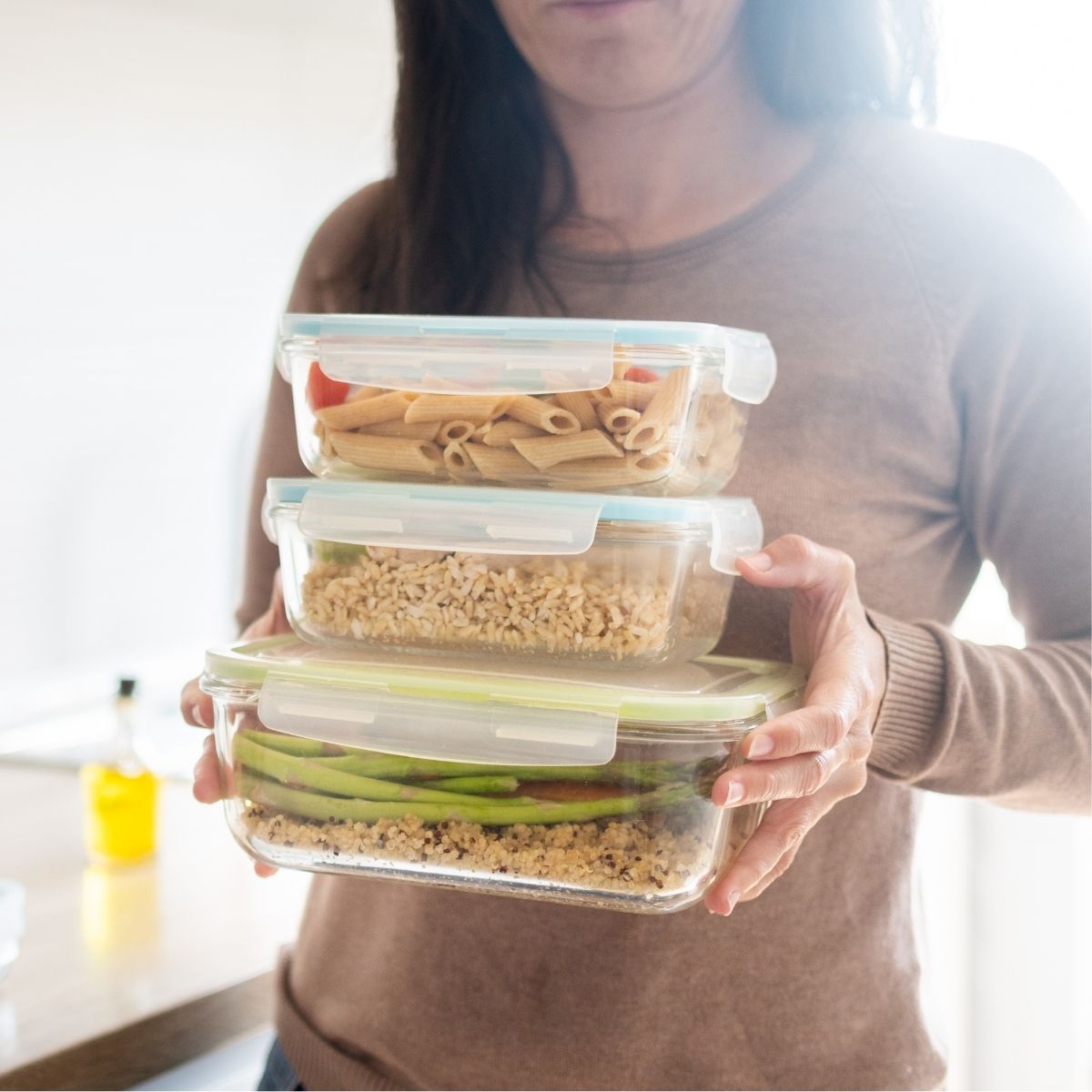
These are simple ways to incorporate protein while still including other important nutrients.
5. Forgetting About Gut Health and Fiber
You can be hitting your protein goals, eating plenty of high-protein foods, and making an effort to eat healthier, but don't forget about fiber and gut health.
Fiber is one of the nutrients I wish more people paid attention to.
It supports digestive health, helps maintain regular bowel movements, supports healthy cholesterol levels, and feeds beneficial gut bacteria.
Fiber is also important for blood sugar management and can help you feel satisfied after meals.
Some great sources include:
- Berries, apples, pears, and oranges.
- Broccoli, Brussels sprouts, carrots, and leafy greens.
- Beans, lentils, and chickpeas.
- Oatmeal and whole grains.
- Chia seeds and ground flaxseed.
- Avocados.
I also encourage including probiotic-rich foods when possible. These include yogurt with live cultures, kefir, sauerkraut, and kimchi.
What to do instead:
Start by looking at how you can add more fiber to the meals you're already eating.
A few simple ideas:
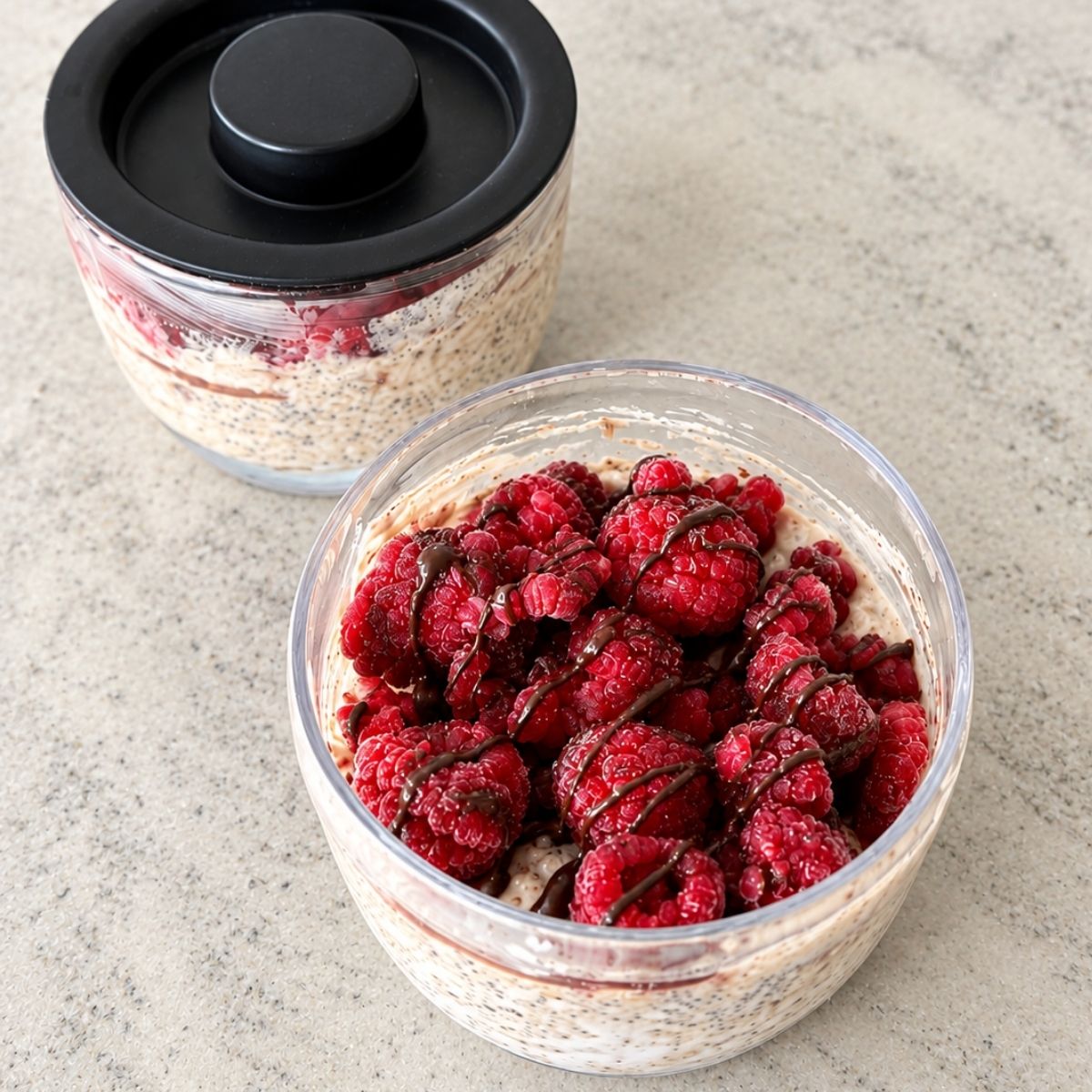
- Add berries and chia seeds to Greek yogurt.
- Include beans in soups, salads, and taco bowls.
- Choose whole-grain bread instead of refined varieties.
- Add vegetables to pasta dishes.
- Sprinkle ground flaxseed into oatmeal or smoothies.
A general goal is at least 25 grams of fiber daily, increasing gradually if your current intake is low. Be sure to drink enough fluids as you increase fiber.
You don't need to rely on high-fiber packaged products to get there. Whole foods can make a big difference.
Recipes to try:
Healthy Eating Doesn't Have to Be Complicated
If there's one thing I want you to take away from this, it's that eating healthier doesn't mean doing more, buying more products, or following stricter food rules.
Sometimes the biggest improvements come from getting back to the basics.
Focus on including protein, fiber-rich carbohydrates, colorful produce, and healthy fats throughout the day. Eat enough to feel satisfied, enjoy the foods you love, and find a routine that works with your schedule.
You don't need a perfect meal plan or a pantry full of specialty products.
You just need a few simple habits you can stick with consistently.
And remember, small changes add up!
Want More Help Making Healthy Eating Easier?
If you're looking for simple ways to build balanced meals, plan ahead, and take the guesswork out of what to eat, I've put together a few free resources to help.
Start here:
- Free Balanced Plate Guide: Simple meal ideas and inspiration for building balanced meals with protein, fiber, and colorful foods.
- Free 7-Day Meal Plan: Take some of the guesswork out of meal planning with easy breakfast, lunch, snack, and dinner ideas.
- Lunch Made Easy: Simple ideas to make satisfying lunches without spending your entire lunch break in the kitchen.
Healthy eating should feel doable, enjoyable, and realistic for your life. Let's make it easier!

Comments
No Comments